
Proofing an Older Christchurch Home for Pests
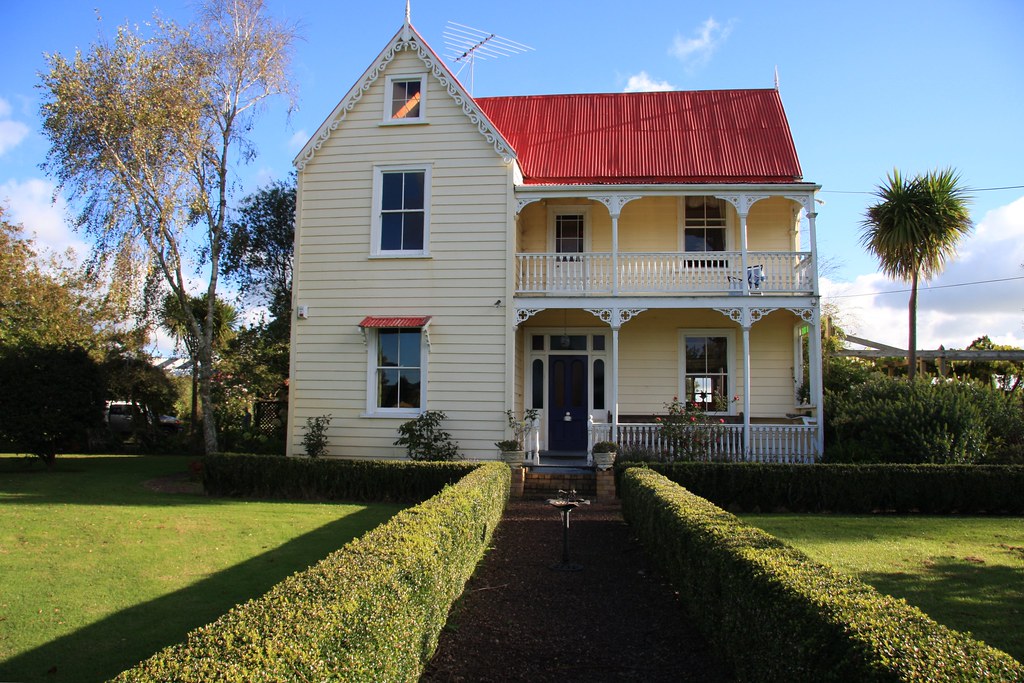
Christchurch runs on older homes. Villas with deep eaves and fretwork soffits, 1930s bungalows with brick porches and tile roofs, weatherboard cottages that have stood through everything the city has thrown at them. They are beautiful, solid, and — from a spider's point of view — perfect. Every era of older housing offers pests something newer builds mostly sealed away: undisturbed harbourage, generous gaps, and gardens that have had decades to grow tight against the walls.
Start at the top. Deep villa eaves are spider hotels: long sheltered ledges, ornate brackets, and soffit joints that never see a duster. The webs up there are not a cleaning failure; they are architecture doing what architecture does. Add a TV aerial, a security light pulling midges all night, and gutters full of leaf litter, and the eaves become a complete ecosystem. Proofing treats these ledges and joints directly, because brushing alone just resets the clock by a week.
Move down the walls. Weatherboards expand, contract and eventually gap; brick veneer has weep holes; old window frames and ranch-slider retrofits leave settlement cracks. Each is a doorway the width of an ant and a shelter the size of a spider. The classic older-home invasion is not dramatic — it is a quiet ant trail along a 1930s skirting board, or spiders colonising the gap behind a climbing rose that has fused itself to the cladding. Walk your perimeter slowly and you will see the routes: planting touching walls, woodpiles against the back door, compost within metres of the kitchen.
Then check the outbuildings. Older sections usually have them: the original garage, a sleepout, a shed that predates colour television. Undisturbed, dim, full of boxes and firewood — sheds are nurseries for the spiders that later reach the house. Decluttering helps enormously, but a shed that sits quiet for months will always recolonise. Including outbuildings in a proofing round breaks that reservoir, so the house stops receiving reinforcements.
Inside, older homes reward a different eye. High ceilings and picture rails give spiders lofty undisturbed runs; underfloor and ceiling spaces connect rooms in ways pests exploit; sculleries, pantries and old chimneys offer warmth and crumbs. None of this means older homes are doomed to crawl — it means proofing should be whole-property thinking, not a squirt at the visible web. Treat the active problem, proof the harbourage and entries, and set a seasonal rhythm: spring ahead of breeding, autumn ahead of the indoor migration.
The DIY layer is real and worth doing. Brush eaves each season rather than yearly, pull planting back off the cladding, move woodpiles and compost away from walls, seal obvious cracks, and keep sheds disturbed — even opening them monthly changes the equation. These habits genuinely reduce pressure. But layered webs that return in days, winter spiders indoors, or ant highways that survive every retail spray are the signals that the property has outgrown DIY. At that point a professional proofing is cheaper than another summer of cans and weekends.
Old Versus New: Why Character Homes Cop More Pressure
Newer Christchurch builds have real advantages against pests: tight cladding systems, sealed soffits, concrete floors, aluminium joinery with proper gaskets, and sections that have not had decades to knit themselves to the walls. An older home has the opposite resume — and that is not a criticism, it is simply physics and time. Timber moves, putty fails, gardens mature, sheds accumulate, and every renovation leaves a few new gaps behind the old ones. None of it means the home is failing; it means the pest pressure per square metre is structurally higher than a 2020 townhouse, and the proofing should match.
The practical upshot is rhythm. A new build might stay comfortable with an occasional one-off treatment when something flares up. An older home generally earns a seasonal proofing cycle — spring and autumn rounds that stay ahead of breeding and migration — because the harbourage never fully goes away. Owners who accept this early spend less overall than owners who fight each outbreak as a surprise. Think of it like painting the weatherboards: periodic maintenance that protects the asset, not an emergency that signals neglect.
Sections, Fences and the Neighbourhood Factor
Older suburbs bring one more factor no single homeowner fully controls: the street itself. Mature trees, shared boundary fences, neighbouring sections with woodpiles and sheds, council berms and reserves — pest pressure drifts across all of it. Your proofed home sits in an unproofed landscape, and scouts arrive from next door all season. This is exactly why barrier proofing beats spot treatment on older streets: you cannot control the neighbourhood, but you can make your boundary a dead end. Fence lines, boundary planting and the strip where your section meets the footpath deserve the same attention as the house walls, because that is where the next invasion stages.
That is the work Mike The Spiderman does across Christchurch and Canterbury from a family base in Parklands: treat what you can see, proof what you cannot, and keep older homes the way their owners love them — character intact, creepy-crawlies evicted. If your villa's eaves look decorated or your bungalow's kitchen hosts a summer march, phone 027 281 8902 for a free quotation and straight talk on the honest fix.